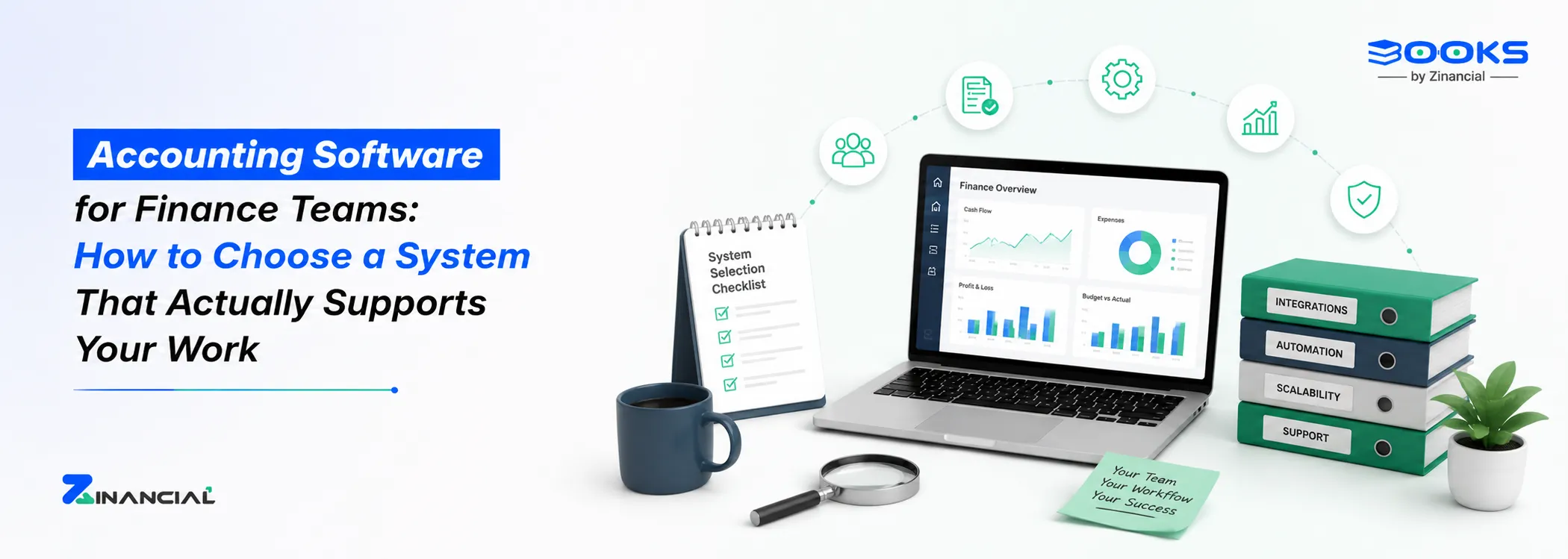
You already use accounting tools, yet work still escapes the system. Reviews happen in messages, trackers live in spreadsheets, and month-end stretches every cycle. This is exactly why accounting software for finance teams must be built around execution, not surface-level reporting.
This guide is written for finance teams who own outcomes, not just outputs. You are past basic bookkeeping and past feature demos. You need software that supports how finance work actually moves.
According to EY, 86% of tax and finance leaders say leveraging data, AI, and technology is a top priority, showing how strongly finance teams are shifting toward automation and structured systems.
Most accounting tools are designed for business owners. They assume one person prepares, reviews, and approves data. Finance teams never operate that way in practice.
Your work flows across multiple roles and checkpoints. Single-workflow accounting software flattens this reality into a single step. As a result, teams manage real work outside the system.
The cracks show up fast:
- Reviews happen too late
- Ownership is unclear
- Draft data leaks into reports
This is the point where teams start looking for accounting software for finance teams, not entry-level tools. This is where platforms like Zinancial Books begin to make sense, especially for teams that need structured workflows instead of flat, single-step accounting.