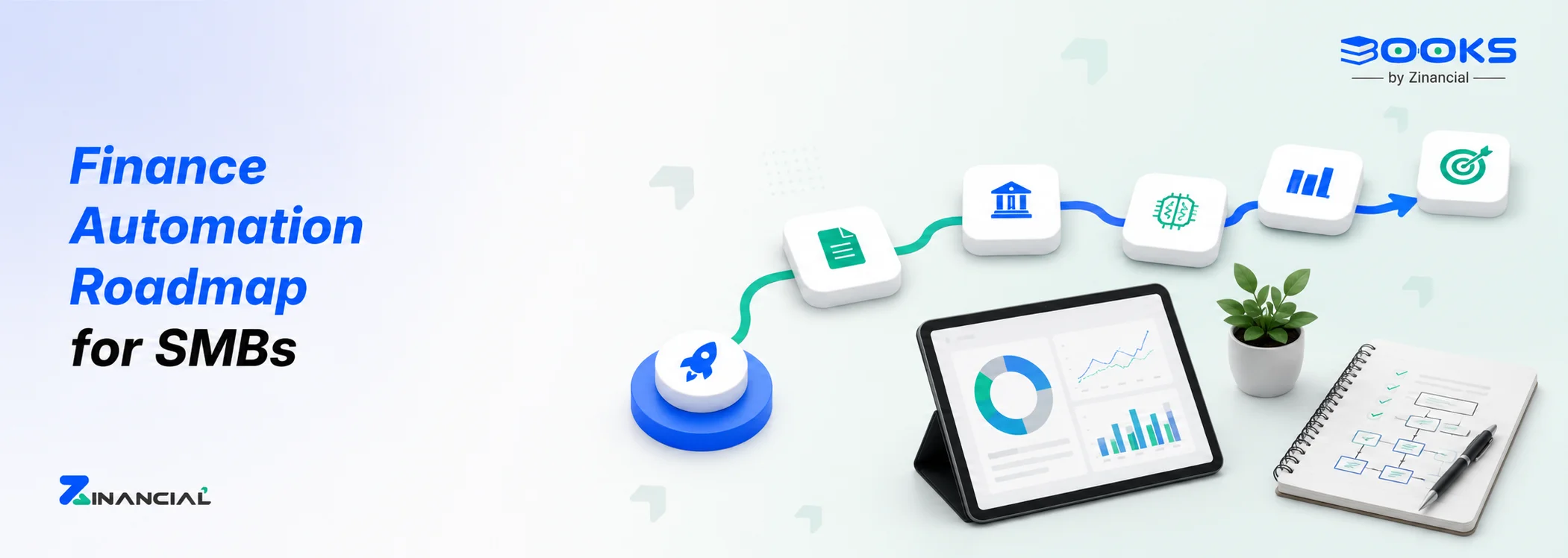
If your finance team still depends on spreadsheets, emails, and manual approvals, you are already feeling the strain. Delays, errors, and lack of visibility start compounding as you grow. This is exactly where finance automation changes the game.
For small and mid-sized businesses, the shift is not about replacing people. It is about removing repetitive work so your team can focus on decisions that actually move the business forward. A structured finance automation roadmap helps you do this in a controlled, measurable way.
According to PwC, leading finance teams have reduced their costs by nearly 25% by automating processes and shifting focus from manual tasks to strategic insights.
At a basic level, finance automation means using technology to handle routine financial tasks. This includes invoicing, expense tracking, reconciliations, reporting, and approvals.
For SMBs, the benefits show up quickly.
Manual processes are slow. They rely heavily on human input, which increases the risk of errors. They also create bottlenecks, especially during month-end or audit cycles. With accounting automation, these workflows become structured and consistent.
Here is what changes when you implement it:
- Tasks that took hours get completed in minutes
- Data flows automatically between systems
- Errors are reduced through standardization
- Reports are generated in real time
- Compliance becomes easier to manage
What this really means is simple. You gain control over your finances without increasing your team size. That is the real value of SMB automation.