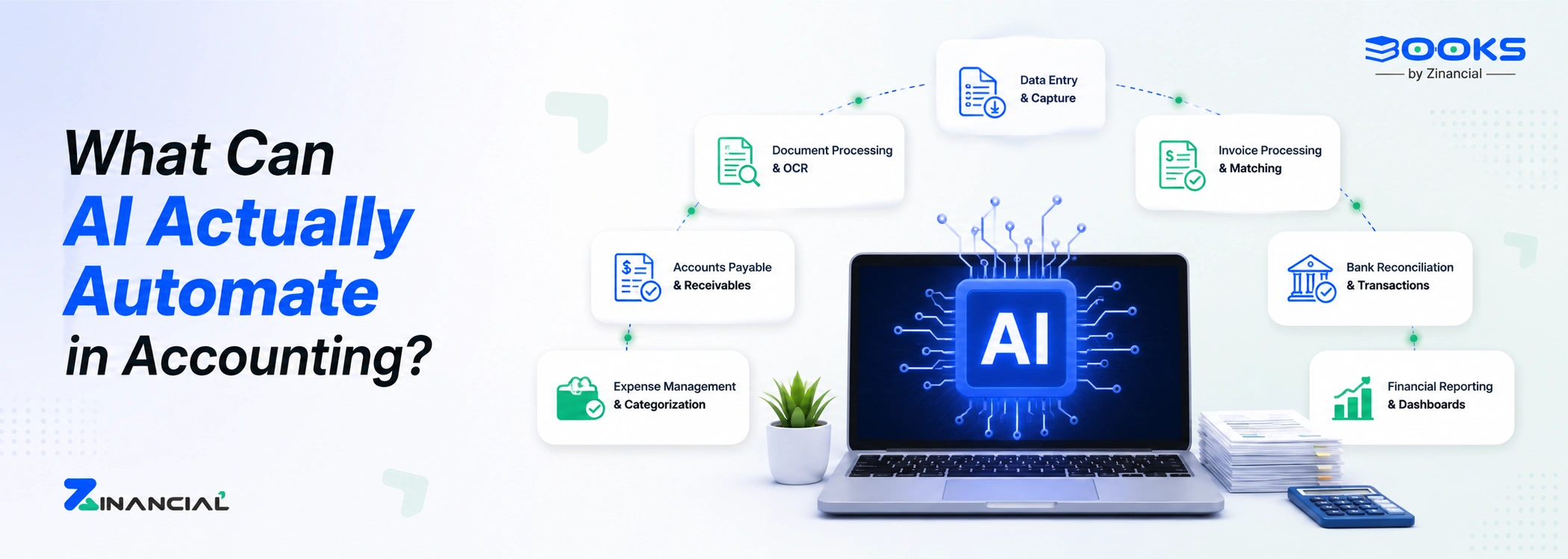
Smart accounting is not driven by one tool. It is a combination of technologies working together to automate, analyze, and improve financial workflows.
Here is a more detailed breakdown of how each piece actually contributes:
Machine Learning (ML)
ML learns from historical data and improves over time.
It helps you:
- Automatically categorize transactions based on past patterns
- Detect unusual entries or fraud signals early
- Improve forecasting accuracy with continuous learning
- Reduce manual corrections in bookkeeping
The key advantage is adaptability. The more data it processes, the smarter it gets.
Deep Learning
Deep learning takes ML further using layered neural networks.
It is useful for:
- Handling highly complex financial datasets
- Improving accuracy in predictive analytics
- Recognizing deeper patterns that traditional models miss
- Enhancing audit analytics across massive datasets
This is what enables AI to outperform traditional systems in advanced use cases.
Natural Language Processing (NLP)
NLP allows systems to understand and interpret human language.
In accounting, it helps you:
- Extract insights from contracts and legal documents
- Summarize financial reports and emails
- Monitor regulatory updates and compliance requirements
- Convert unstructured data into structured financial inputs
This is critical because a large portion of financial data is not numerical.
Generative AI
Generative AI goes beyond analysis and actually creates output.
It can:
Draft financial reports and summaries
Generate client communication emails
Assist in financial storytelling and insights
Provide scenario-based recommendations
This reduces time spent on documentation and improves communication quality.
Robotic Process Automation (RPA)
RPA handles repetitive, rule-based tasks.
It is commonly used for:
- Invoice processing and approvals
- Accounts payable and receivable workflows
- Data transfers between systems
- Reconciliation processes
RPA is the backbone of finance automation, especially for structured processes.
Optical Character Recognition (OCR)
OCR converts physical or scanned documents into usable data.
It enables:
- Automated invoice data capture
- Receipt processing
- Digitization of financial records
- Searchable document storage
When combined with AI, OCR becomes far more accurate and intelligent.
These technologies don’t operate in isolation. Together, they create a system where data flows automatically, insights are generated instantly, and manual effort is minimized.